Fennwold
A hundred-and-forty-year-old bank had bought two smaller ones and was running three brands at once. One system, three names kept, no confusion in the branch.
| Service | Brand |
|---|---|
| Disciplines | Brand architecture · Verbal identity · Environmental |
| Duration | Nine weeks |
| Shipped | Endorsed identity system, naming structure, branch signage system |
| Sectors | Banking, Financial services, Multi-brand |
From the brief: "We cannot lose the two names. Their customers chose them on purpose and we bought them for that reason."
🏛️
The two acquired names had to survive. That put a masterbrand off the table before the first sketch, and an endorsed structure was the only honest answer left — so we stopped exploring in week three instead of week seven.
What we made
Brand — the nine weeks, and everything they shipped.
Most brand architecture work is a negotiation between what the board wants and what customers already believe. Here the board had settled it in the brief, which is rarer than it sounds and saved about a month.
- Brand architecture — one parent, three retained names, and the rule that governs them
- An endorsement system, specified at four sizes down to a card corner
- Naming structure for products across all three brands
- Identity system — mark, type, colour and a shared grid
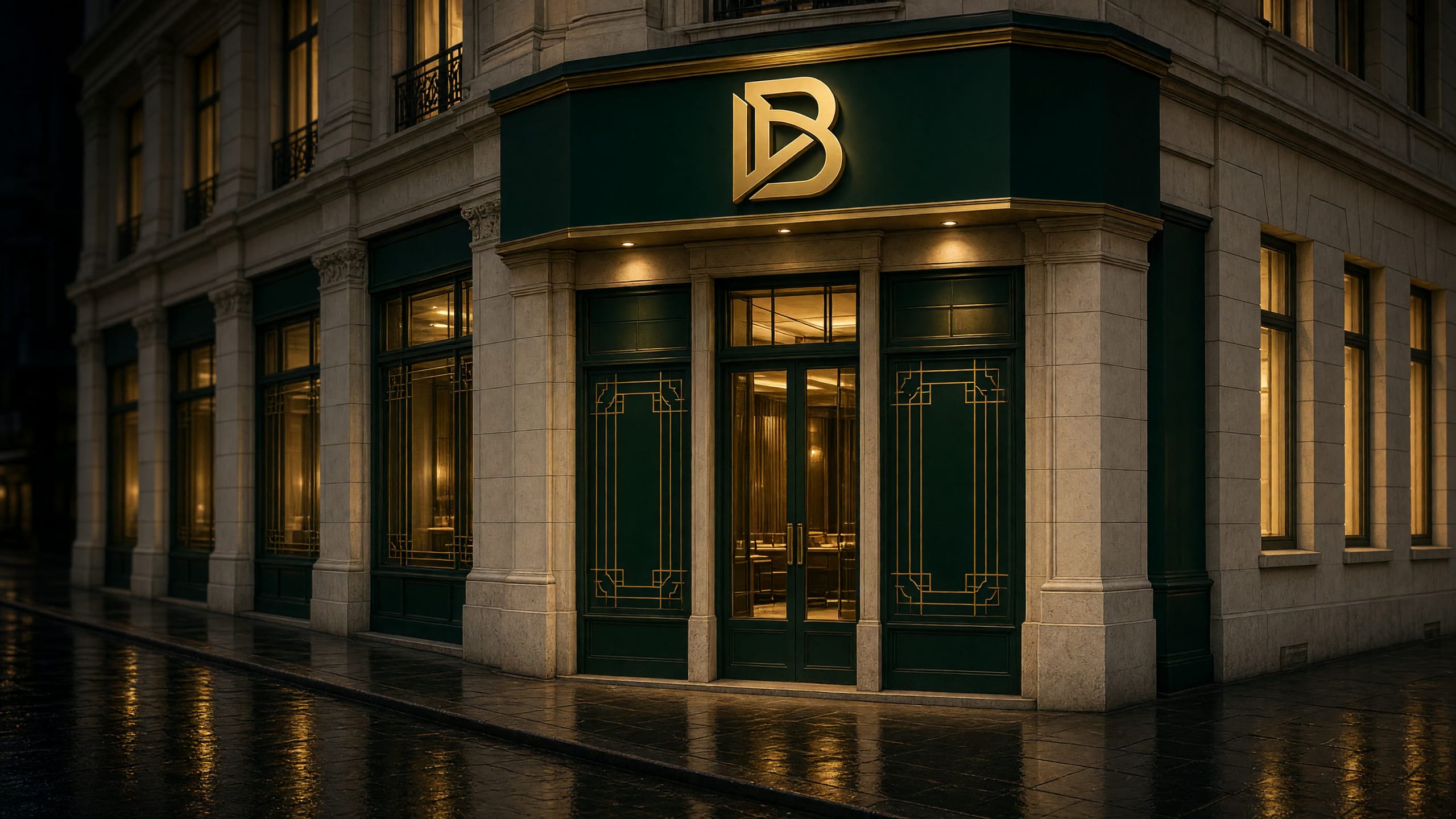
- Branch signage across sixty-one sites
- The card programme, three names on one system
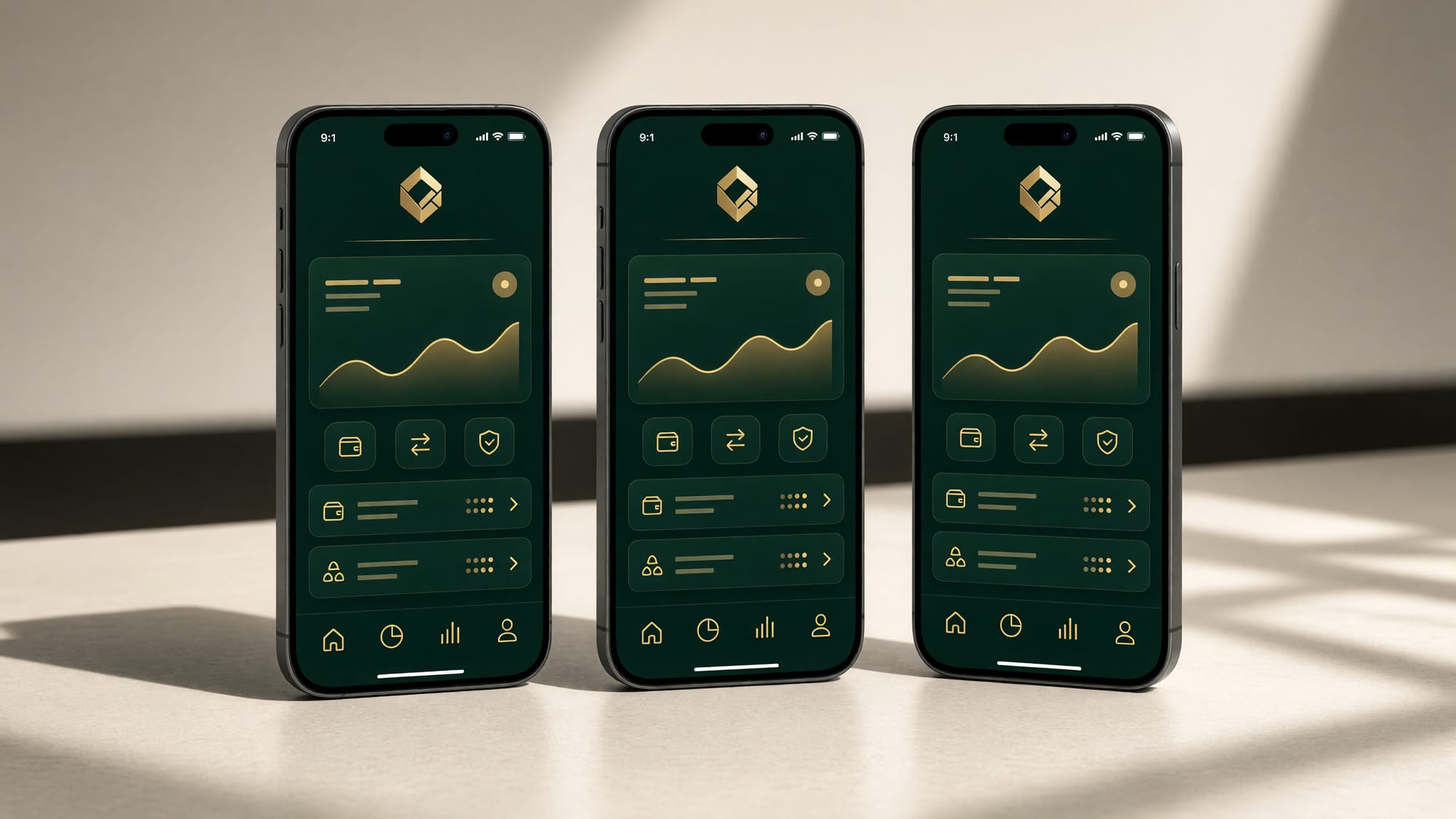
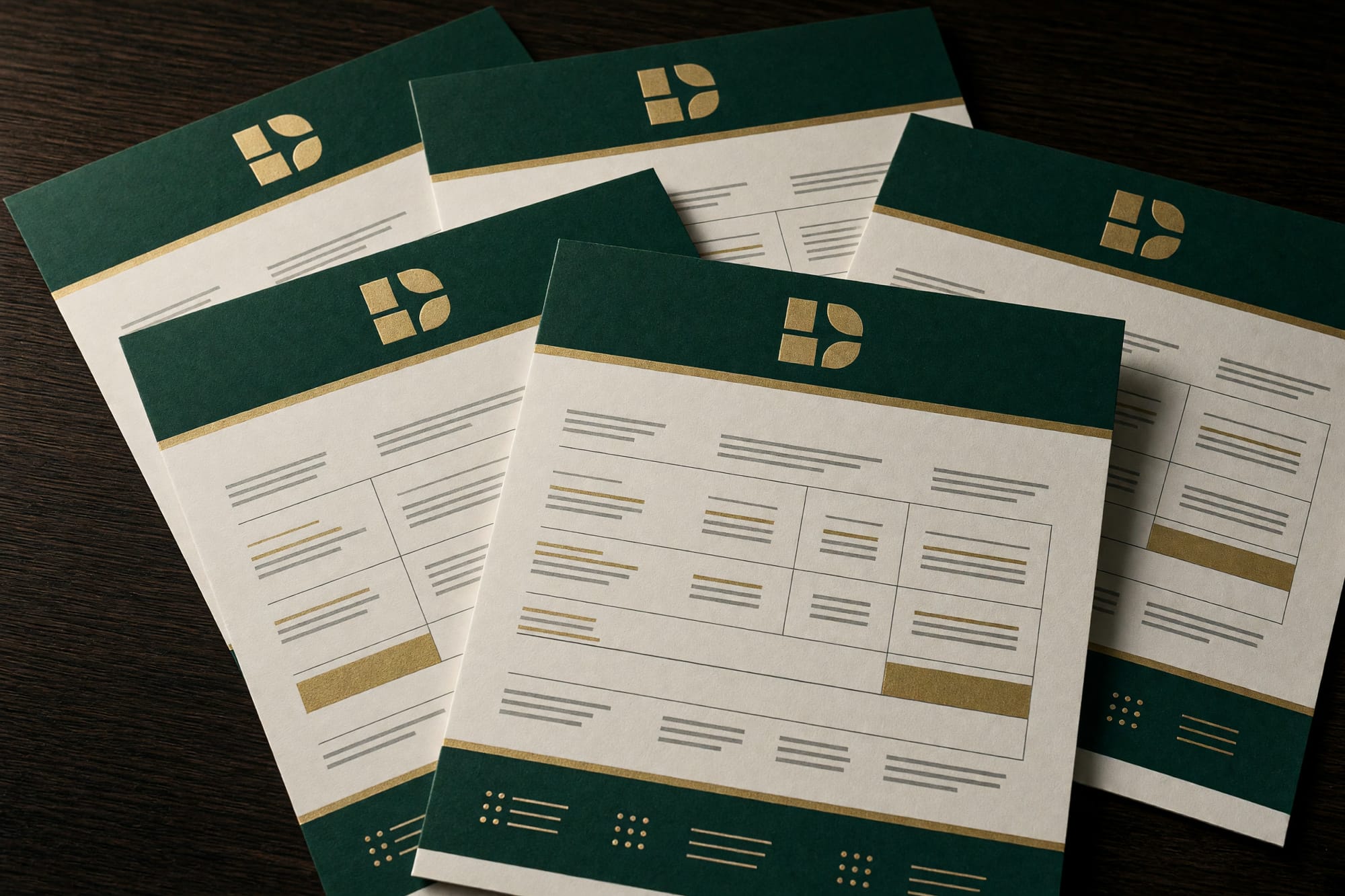
- App interface direction, and the correspondence suite