Sundermill
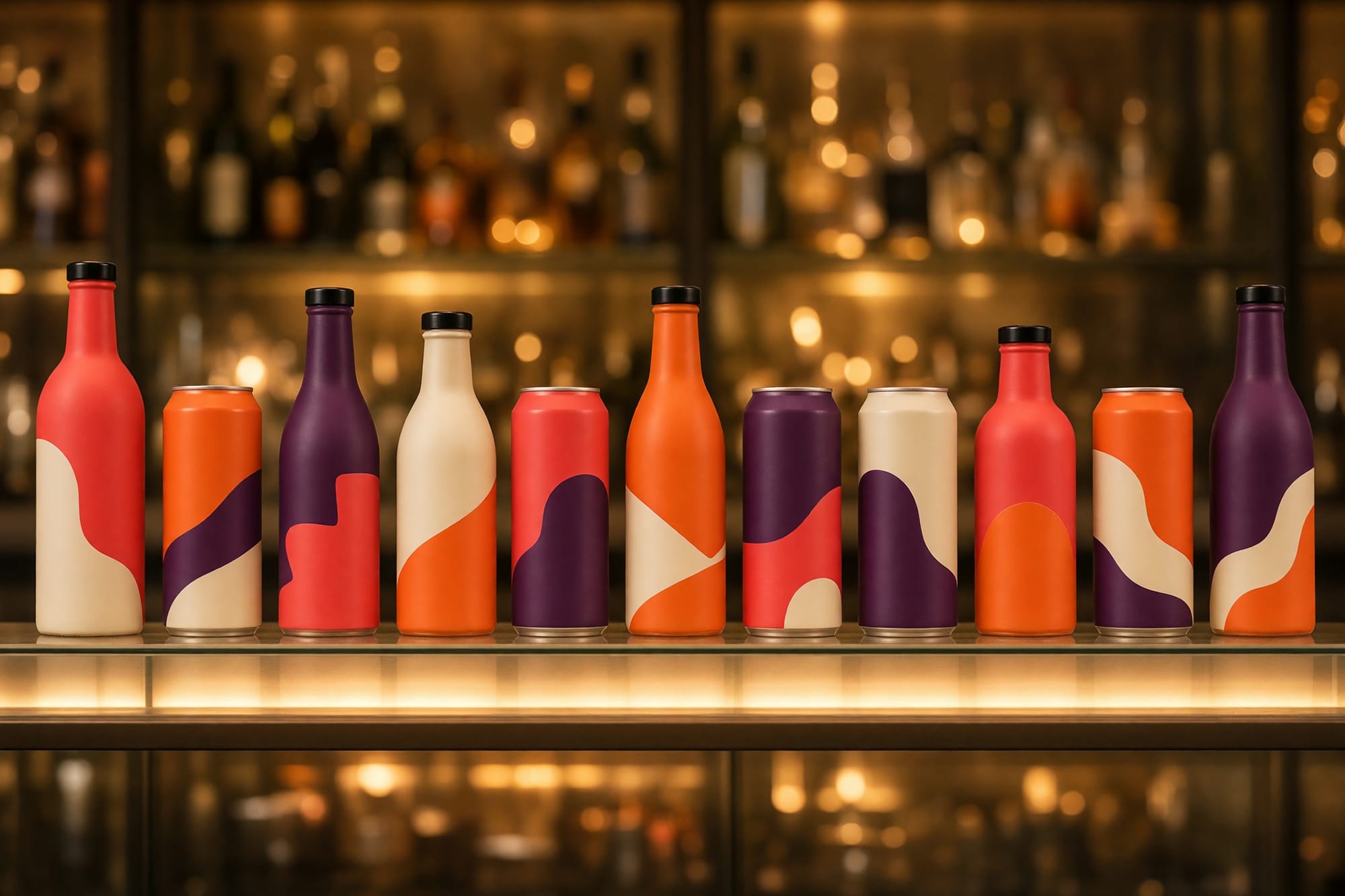
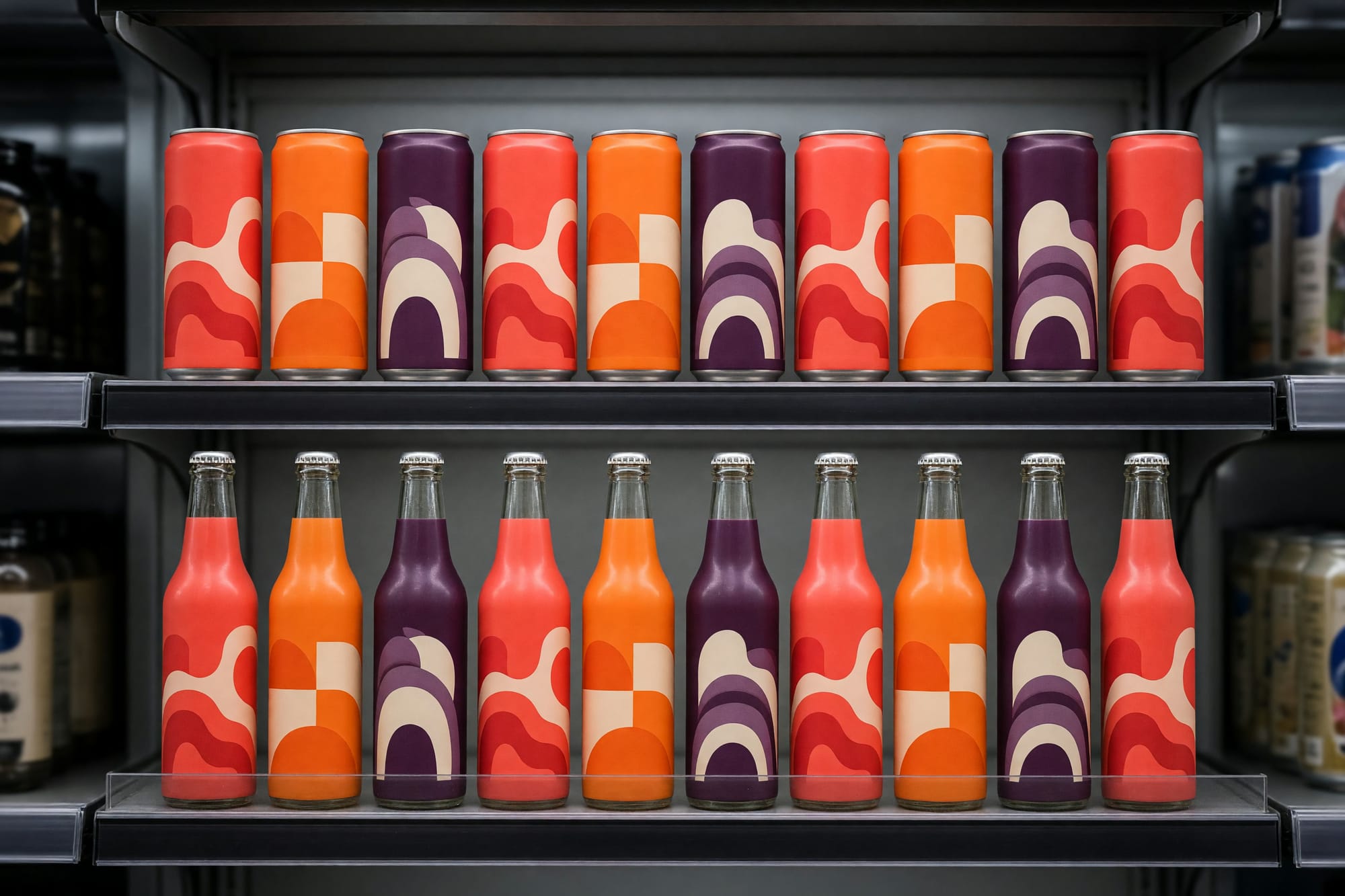
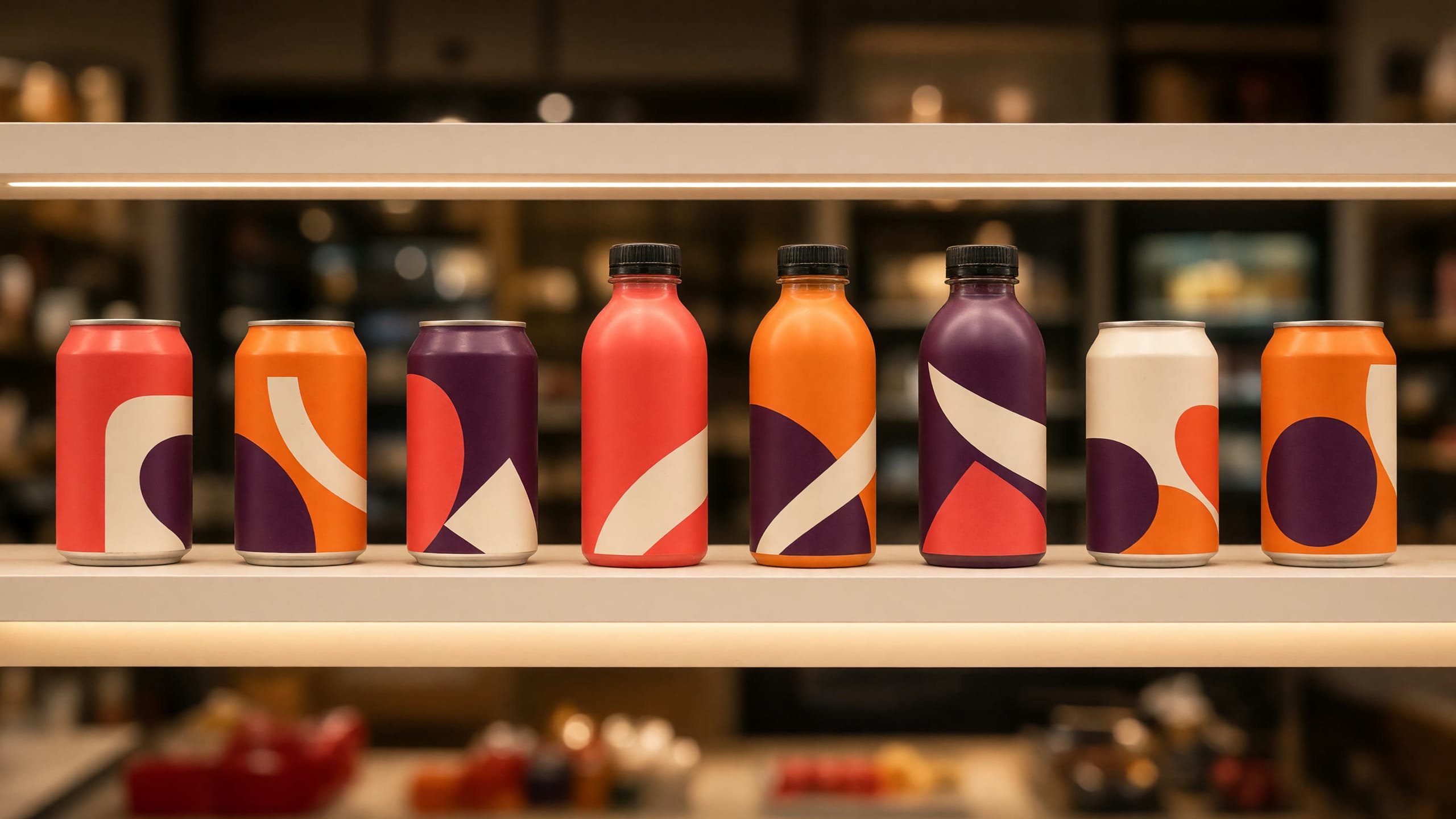
Eleven products, eleven personalities, one shelf. A verbal and visual system that let the range look like a range without any of them going quiet.
| Service | Brand |
|---|---|
| Disciplines | Range architecture · Verbal identity · Packaging |
| Duration | Nine weeks |
| Shipped | Range system, verbal identity, eleven pack directions |
| Sectors | Drinks, FMCG, Retail |
From the brief: "On the shelf they look like eleven arguments. We would like them to look like one company with eleven opinions."
🔤
Nothing could be renamed. Eleven names had eleven sets of customers who bought them on purpose, so the entire problem had to be solved in structure, tone and typography — the three things a shopper does not consciously notice and always responds to.
What we made
Brand — the nine weeks, and everything they shipped.
That sentence did most of the work. It is the only brief we have been given that already contained its own answer, and we quoted it back in the week-three session when somebody proposed unifying the colours.
- Range architecture, and the naming rule that lets a twelfth product join it
- Verbal identity, with the range's shared voice separated from each product's own
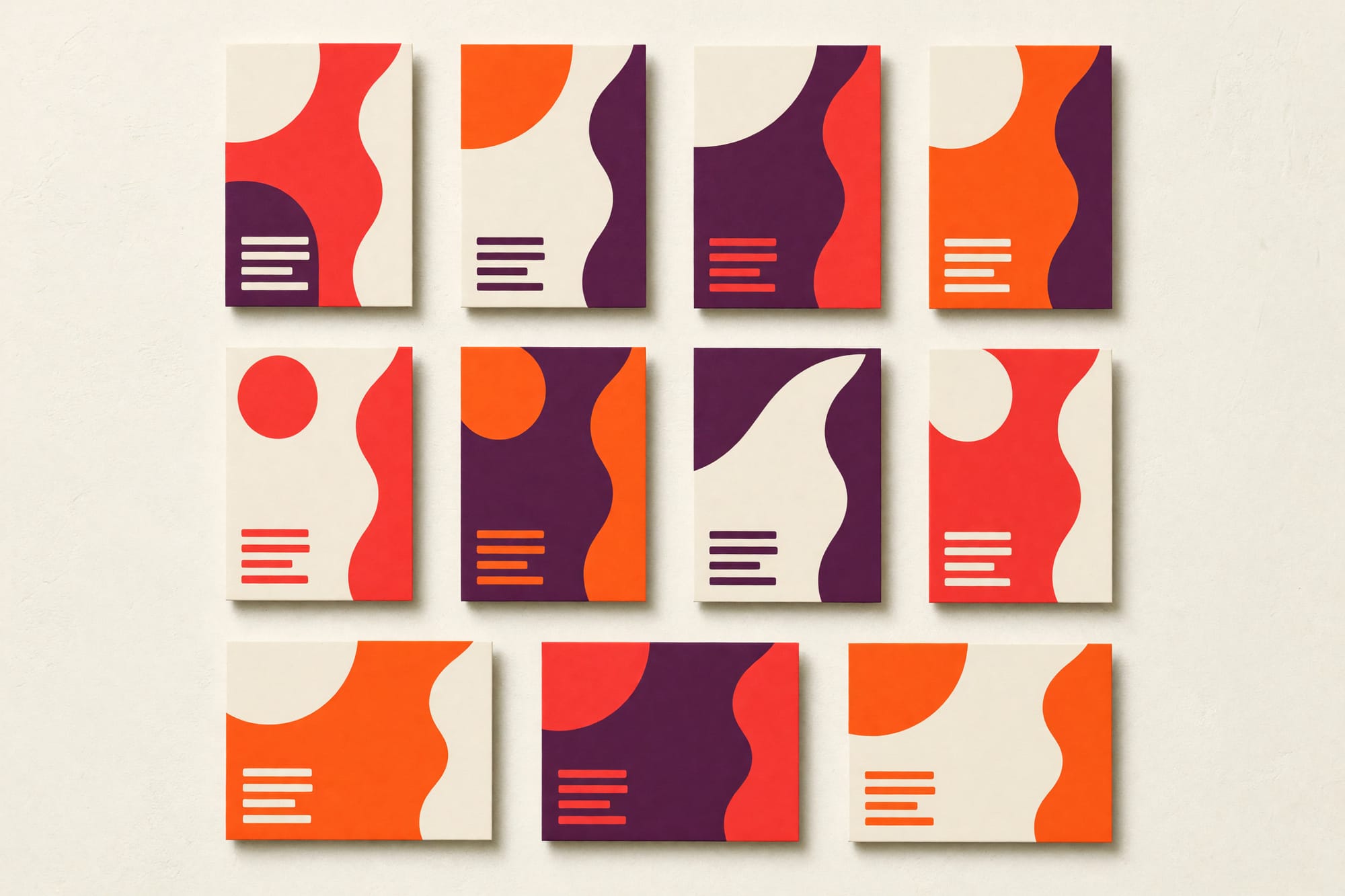
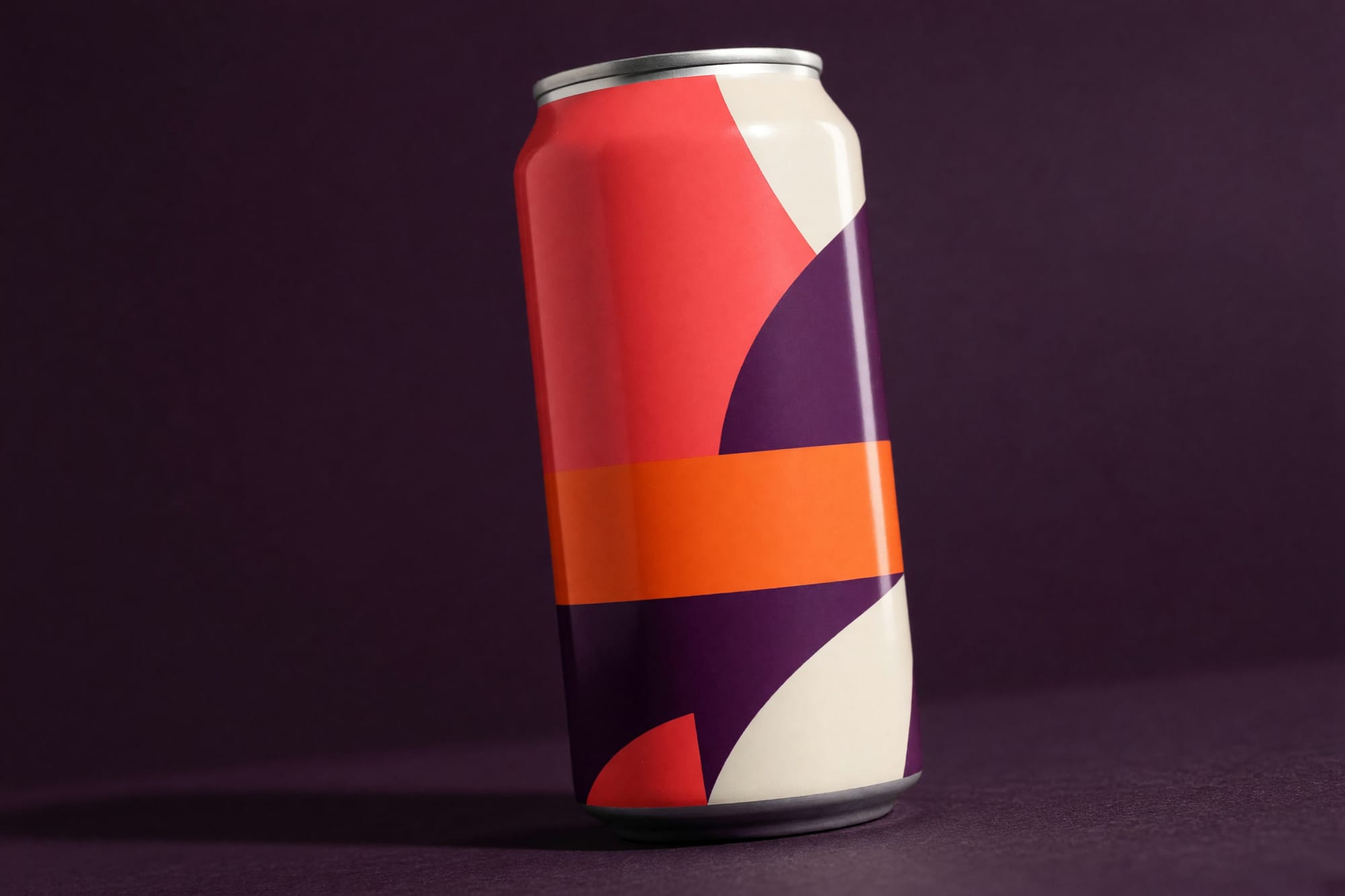
- A label system across eleven products — one skeleton, eleven colourways
- Pack hierarchy, specified so a new flavour cannot break the shelf block
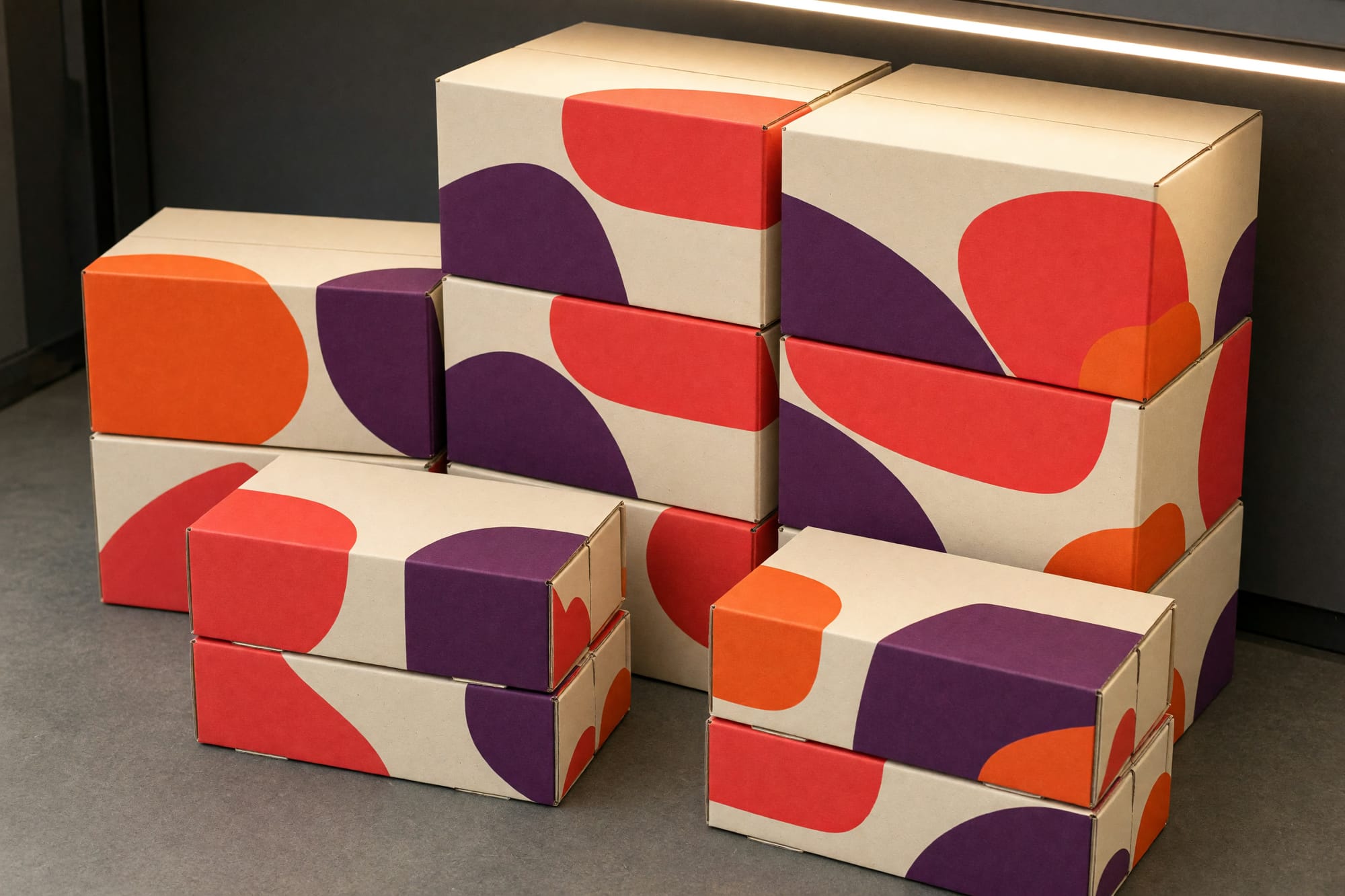
- Secondary packaging and multipack sleeves, printed in one and two colours
- Retail shelf standards
- Guidance, organised by question